
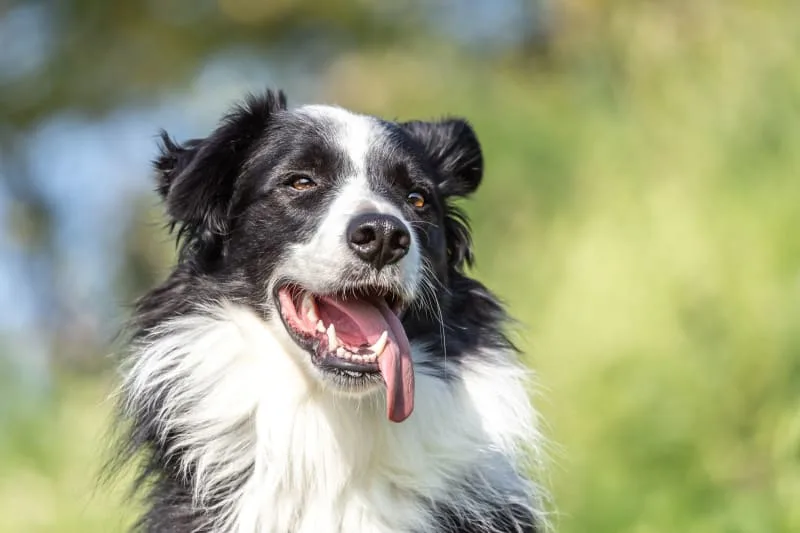
Whether you live in a hot sunny climate year-round, or get just a few hot months each year, knowing the signs of heatstroke in dogs could help to save an animal's life. Our Santa Clarita veterinary team explains how to spot the signs of heatstroke in dogs and how the condition is treated.
Hyperthermia or Heatstroke
Heatstroke is defined as an increase in core body temperature caused by environmental conditions. Your dog's normal body temperature should be around 99-102.5 degrees Fahrenheit. When a dog's body temperature rises above 105, immediate veterinary care is required. Heatstroke is an extremely serious condition that can be fatal.
How Heatstroke Happens
People begin to sweat as a way to lower body temperature. Dogs can't sweat, instead, our canine companions cool their bodies by panting. If panting isn't sufficient to cool themselves down, their body temperature may continue to rise resulting in heatstroke.
Any breed or size of dog can suffer from heatstroke but dogs with thick fur, short noses or those suffering from underlying medical conditions tend to be more susceptible to this condition.
The most common causes of heatstroke in dogs seen by our vets include:
Leaving a dog in a car on a hot or sunny day
Forgetting to provide adequate water for your pet
Lack of sufficient shade in pet's outdoor play area
Signs of Heatstroke in Dogs
Excessive panting is the most obvious sign of heatstroke in dogs. However, panting isn't the only symptom of heatstroke seen in dogs. Other symptoms of heatstroke that pet parents should be aware of include:
Drooling
Reddened gums
Vomiting
Diarrhea
Mental dullness
Loss of consciousness
Uncoordinated movement
Collapse
Helping a Dog With Heatstroke
Heatstroke is a serious condition and symptoms should always be treated as an emergency! Heatstroke in dogs can lead to life-threatening issues such as abnormal blood clotting, swelling of the brain, kidney failure, and intestinal bleeding.
Seek immediate veterinary care if your dog is displaying signs of heatstroke. While traveling to the vet's office or emergency animal hospital, keep the car windows open or the air conditioner on full to help cool your pet.
If you are unable to get to a vet's office immediately, remove the dog from the hot environment straight away and allow your pup to drink as much cool water as they want without forcing them to drink. You can also help to bring your dog's body temperature down by placing a towel soaked in cool (not cold) water over them.
Veterinary Treatment for Heatstroke in Dogs
Safely reducing your dog's body temperature will be your vet's primary focus. Cool water may be poured over your dog's head, body, and feet, or cool wet cloths may be applied to those areas. In some cases rubbing alcohol may be applied to your dog's footpads in order to help dilate pores and increase perspiration. Treatment for dogs with heatstroke may also include intravenous fluids, mild sedation and low-concentration oxygen therapy.
As well as treating the immediate symptoms of heatstroke, your vet will also monitor your dog will for secondary complications such as changes in blood pressure, electrolytes abnormalities, kidney failure, development of neurologic symptoms, and abnormal clotting.
Prevening Heatstroke in Dogs
When it comes to the health and wellbeing of your beloved pet, preventing heatstroke from ever happening is key. Prevent heatstroke in dogs by following the tips below:
Note: The advice provided in this post is intended for informational purposes and does not constitute medical advice regarding pets. For an accurate diagnosis of your pet's condition, please make an appointment with your vet.
If you think that your dog may be suffering from heatstroke contact our Santa Clarita vets right away, or head to your nearest animal emergency clinic.